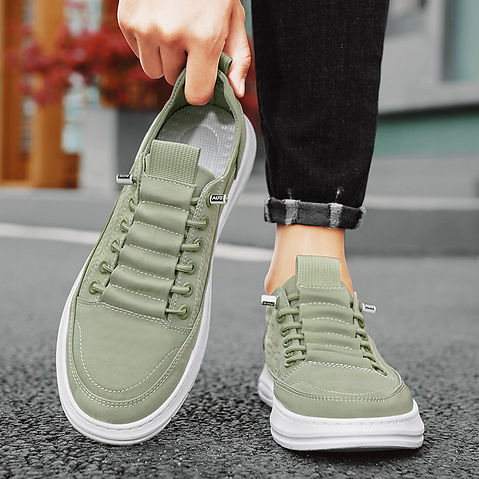
Wide Shoes: The Key to Comfort, Health, and Everyday Style
Shoes are more than just a fashion accessory—they are a foundation for foot health, posture, and overall well-being. Yet, for many people, finding shoes that truly fit is a constant challenge. Standard footwear often assumes a “one-size-fits-all” foot, which can be uncomfortable or even harmful for those with broader feet. This is where wide shoes come in—footwear designed to accommodate Wide shoes a wider foot, providing comfort, support, and style without compromise.
Whether you have naturally broad feet, swelling issues, or simply want extra room for comfort, wide shoes are increasingly recognized as a practical and fashionable solution. Let’s explore what makes wide shoes important, the benefits they offer, and how to choose the right pair for your lifestyle.
What Are Wide Shoes?
Wide shoes are specifically designed to provide extra space in the toe box, midfoot, and heel. Unlike standard shoes, which often squeeze the foot, wide shoes allow for natural foot movement, reducing pressure and friction.
Most brands indicate width using letters:
-
D or EE: Common wide options for men
-
B or D: Common wide options for women
-
EEE and beyond: Extra-wide options for very broad feet
Wide shoes come in a variety of styles—from sneakers and boots to sandals and formal shoes—making them suitable for everyday life, work, and outdoor activities.
Why Wide Shoes Matter
Wearing shoes that are too narrow can cause a variety of foot problems:
-
Bunions: Tight shoes force the big toe inward, creating painful bunions over time.
-
Hammer Toes: Cramped toes may develop deformities, leading to discomfort and difficulty walking.
-
Corns and Calluses: Friction from narrow shoes creates thickened skin at pressure points.
-
Plantar Fasciitis: Narrow shoes with poor support can lead to heel and arch pain.
-
Poor Circulation: Tight shoes can restrict blood flow, causing swelling and discomfort.
Wide shoes prevent these issues by giving the foot room to move naturally while maintaining proper alignment.
Benefits of Wide Shoes
Switching to wide shoes offers numerous advantages for comfort, health, and mobility:
-
Enhanced Comfort: Extra space reduces pressure on toes and the forefoot, making walking, standing, and running more enjoyable.
-
Improved Foot Health: Proper alignment helps prevent bunions, calluses, and joint pain.
-
Better Balance: A spacious toe box allows toes to spread naturally, improving stability and reducing the risk of falls.
-
Reduced Fatigue: Less strain on muscles and tendons prevents foot and leg fatigue during extended periods of activity.
-
Accommodates Orthotics: Wide shoes can comfortably fit custom insoles or orthotics, supporting individuals with specific foot conditions.
Who Needs Wide Shoes?
Wide shoes are not only for those with naturally broad feet. Many factors increase the need for wider footwear:
-
Genetics: Some people have naturally wider feet.
-
Age: Feet tend to widen and flatten over time due to ligament loosening.
-
Pregnancy: Hormonal changes and swelling can temporarily broaden feet.
-
Medical Conditions: Diabetes, arthritis, and edema often require extra room for comfort and safety.
-
Active Lifestyles: Athletes or individuals who spend long hours on their feet benefit from wide shoes for reduced pressure and improved support.
Even people with average-width feet can experience increased comfort with shoes that provide slightly more room.
Types of Wide Shoes
Wide shoes come in a variety of styles to suit different occasions and needs:
-
Wide Sneakers: Ideal for walking, running, or casual wear. Many athletic brands offer wide-width options.
-
Wide Dress Shoes: Loafers, Oxfords, and pumps designed with extra room for work or formal events.
-
Wide Boots: From hiking boots to winter boots, wide options accommodate thicker socks and broader feet.
-
Wide Sandals: Open designs with room for natural toe movement, perfect for warmer months.
-
Wide Flats: Everyday shoes that combine style, comfort, and support.
No matter the activity or occasion, there’s a wide shoe option for you.
How to Choose the Right Wide Shoes
Selecting the perfect pair of wide shoes requires attention to fit, support, and materials:
-
Measure Your Feet: Feet can change size over time. Measure both length and width, ideally at the end of the day when feet are slightly swollen.
-
Check the Toe Box: Your toes should have enough space to move naturally without rubbing or pinching.
-
Evaluate Arch Support: Proper support prevents fatigue and foot pain, especially for flat or high arches.
-
Consider Materials: Soft, breathable materials like leather, mesh, or knit fabric enhance comfort and reduce friction.
-
Test Both Feet: Many people have slight size differences between their feet, so always try on both shoes.
-
Match Activity to Shoe Type: Choose shoes appropriate for your lifestyle—sneakers for exercise, flats for work, boots for outdoor activities.
Style and Fashion in Wide Shoes
Gone are the days when wide shoes meant sacrificing click here style for comfort. Modern wide shoes are designed to be stylish and functional:
-
Sleek Sneakers: Comfortable and fashionable, suitable for daily wear or light exercise.
-
Chic Flats: Stylish work-appropriate options with ample toe room.
-
Boots with Adjustable Fit: Laces, straps, or stretch panels ensure a comfortable, secure fit for wider feet.
-
Customizable Options: Some brands allow adjustments for a perfect fit, combining comfort and personalized style.
Wide shoes today prove that fashion and function can coexist, allowing you to look great while feeling comfortable.
Common Myths About Wide Shoes
Several misconceptions about wide shoes may prevent people from trying them:
-
“They look bulky.” Modern designs are sleek and stylish, often indistinguishable from standard-width shoes.
-
“Only people with very wide feet need them.” Even slightly wider shoes improve comfort and prevent long-term foot problems.
-
“They aren’t supportive.” Many wide shoes provide excellent arch support and cushioning.
-
“They’re expensive.” Wide shoes come in a range of price points, from budget-friendly to premium options.
Breaking these myths allows more people to prioritize comfort without sacrificing style.
Conclusion
Wide shoes are essential for foot health, comfort, and Barefoot shoes everyday mobility. By offering extra room for toes and forefoot, they prevent common foot problems such as bunions, calluses, and plantar fasciitis. Wide shoes also improve balance, reduce fatigue, and allow for orthotics when needed.
Available in a variety of styles—from sneakers and boots to sandals and formal shoes—wide footwear ensures that comfort and fashion can coexist. Whether you have naturally broad feet, experience swelling, or want extra space for comfort, wide shoes are a practical and health-conscious choice.
Why Wide Toe Box Shoes Are a Game-Changer for Foot Health
The shape of your shoe can have a profound impact on your foot health. Narrow shoes crowd your toes, causing pain and deformities. Wide toe box shoes provide the solution, combining comfort, style, and foot wellness.
1. Understanding Wide Toe Box Shoes
Wide toe box shoes are designed with a spacious Wide toebox shoes front area that allows your toes to move freely. Unlike conventional shoes, these shoes:
-
Prevent toe crowding
-
Support natural toe alignment
-
Reduce pressure on the forefoot
-
Encourage natural walking and running mechanics
2. Benefits of Wide Toe Box Shoes
a) Pain Prevention
Crowded toes can cause corns, calluses, and bunions. Wide toe box shoes reduce friction and pressure points, preventing pain before it starts.
b) Natural Foot Movement
A wide toe box allows toes to splay naturally during walking or running, improving balance, propulsion, and comfort.
c) Enhanced Athletic Performance
Runners and athletes benefit from wide toe boxes that allow proper toe engagement with the ground, improving stability and reducing fatigue.
d) Long-Term Foot Health
Wearing shoes that support natural foot alignment prevents deformities, arthritis, and other chronic foot conditions.
3. How to Choose Wide Toe Box Shoes
-
Measure Your Toes: Ensure the toe box matches the width of your forefoot.
-
Check Flexibility: A flexible sole allows natural foot movement.
-
Look for Cushioned Insoles: Reduces joint impact.
-
Consider Arch Support: Ensures proper alignment of the entire foot.
-
Try Different Brands: Altra, Merrell, Topo Athletic, and Lems are well-known for wide toe box designs.
4. Wide Toe Box Shoes for Specific Uses
-
Casual Wear: Comfortable everyday walking and standing.
-
Running Shoes: Promote natural gait and reduce forefoot pressure.
-
Hiking Shoes: Wide toe box ensures comfort on uneven terrain.
-
Work Shoes: Reduces fatigue for those on their feet all day.
5. FAQ – Wide Toe Box Shoes
Q1: Can I switch from narrow shoes to wide toe box shoes?
Yes, but transition gradually to allow your feet to adjust to the extra space.
Q2: Are wide toe box shoes suitable for narrow feet?
They may feel roomy, but using insoles can adjust the fit.
Q3: Do wide toe box shoes look bulky?
Modern designs are sleek and stylish, proving comfort doesn’t compromise fashion.
Q4: How do I know my correct toe box width?
Measure the widest part of your forefoot and click here compare it with the shoe’s dimensions.
6. Conclusion
Wide toe box shoes provide unparalleled comfort and foot health benefits. By allowing your toes to splay naturally, they reduce pain, prevent deformities, and enhance mobility. They are suitable for athletes, professionals, and anyone who values healthy, happy feet.
Natural Shoes: Walk Freely, Live Comfortably
For most of modern history, shoes have been designed more for style than foot health. Narrow toe boxes, elevated heels, and rigid soles can all limit your foot’s natural function. Natural shoes offer a better solution—they allow your feet to move, flex, and grip naturally while still providing protection.
Natural shoes are designed to mimic barefoot Natural shoes walking while supporting everyday activity. They typically feature a wide toe box, flexible sole, minimal heel drop, and lightweight materials. By encouraging proper foot mechanics, natural shoes can improve comfort, posture, and long-term foot health.
What Makes a Shoe “Natural”?
A natural shoe is built to let your foot behave as it was designed to. Common characteristics include:
-
Wide toe box: Prevents crowding of toes and allows natural splay.
-
Flexible sole: Encourages natural foot movement and ground feel.
-
Minimal or zero heel elevation: Maintains neutral alignment and posture.
-
Lightweight materials: Reduce fatigue and allow freedom of movement.
Unlike conventional shoes, natural shoes don’t force your feet into unnatural positions or restrict your gait.
The Risks of Conventional Shoes
Many modern shoes include tight toe boxes, elevated heels, or stiff soles, which can cause:
-
Bunions, hammertoes, and corns
-
Plantar fasciitis and heel pain
-
Weakening of foot muscles
-
Altered posture affecting knees, hips, and back
-
Reduced balance and stability
Natural shoes counteract these issues by allowing your foot to function naturally, strengthening muscles and maintaining proper alignment.
Benefits of Wearing Natural Shoes
1. Foot Strength and Flexibility
Natural shoes allow toes and arches to engage, strengthening stabilizing muscles.
2. Better Balance
With a flexible sole and natural foot posture, your feet can sense the ground and adjust for stability.
3. Improved Posture
Minimal heel elevation keeps weight evenly distributed, reducing strain on knees, hips, and spine.
4. Reduced Foot Pain
By giving toes space and allowing arches to function properly, natural shoes reduce pressure on common problem areas.
5. Natural Gait
Natural shoes support midfoot or forefoot striking, which promotes efficient walking and running mechanics.
Who Should Wear Natural Shoes?
Natural shoes are beneficial for:
-
Runners and athletes: Encourages natural mechanics and reduces overuse injuries.
-
People with foot problems: Helps relieve bunions, plantar fasciitis, and neuromas.
-
Children and teens: Supports healthy foot development.
-
Anyone seeking comfort: Ideal for everyday walking, work, and casual use.
Natural Shoes vs Minimalist Shoes
Although natural shoes and minimalist shoes share similarities, they are not always the same. Minimalist shoes are ultra-thin, extremely flexible, and barefoot-like. Natural shoes focus on:
-
Supporting the foot’s natural shape
-
Providing moderate protection and cushioning
-
Encouraging everyday comfort without restricting motion
Some natural shoes are minimalist, but many combine click here comfort, protection, and natural foot mechanics.
Transitioning to Natural Shoes
If you’re accustomed to conventional footwear, transitioning gradually is key:
-
Start slowly: Wear natural shoes for short periods at first.
-
Strengthen your feet: Toe spreads, calf raises, and arch exercises help your muscles adapt.
-
Listen to your body: Mild soreness is normal; persistent pain means you should adjust the transition pace.
Most people adapt within a few weeks.
Style and Availability
Natural shoes no longer sacrifice style for health. Popular options include:
-
Casual sneakers and slip-ons
-
Running and training shoes
-
Hiking boots and trail shoes
-
Everyday flats and professional shoes
Modern natural shoes combine ergonomic design, comfort, and aesthetic appeal for all lifestyles.
Frequently Asked Questions
Do natural shoes feel unusual at first?
Yes. If you’re used to heels or tight toe boxes, the feeling may be strange initially, but most adapt within 2–4 weeks.
Can natural shoes prevent foot problems?
They reduce the risk of overuse injuries and common foot conditions by allowing natural movement and strengthening muscles.
Are natural shoes suitable for children?
Absolutely. They support proper foot growth and strengthen stabilizing muscles.
Can I run in natural shoes?
Yes. They encourage proper gait and efficient foot strike.
Do natural shoes provide support?
Most natural shoes provide adequate stability while allowing freedom of natural foot motion.
Final Thoughts
Natural shoes allow your feet to move as they were Best Natural shoes meant to, supporting strength, flexibility, and balance. By promoting proper toe alignment, arch function, and neutral posture, they can prevent common foot problems and improve overall comfort. Whether for running, walking, or everyday wear, natural shoes are a practical, healthy, and stylish choice for long-term foot health.
Wide Shoes: Comfort Meets Style for Every Foot
Finding the perfect pair of shoes can sometimes feel like searching for a needle in a haystack—especially if you have wide feet. Standard shoe widths often leave those with wider feet struggling with pinching, blisters, and discomfort. Thankfully, wide shoes are here to bridge the gap between comfort and style, giving everyone the chance to enjoy footwear that fits perfectly.
In this post, we’ll dive deep into everything you need to know about wide shoes: why they matter, how to find the right fit, the types available, and how to style them. Plus, we’ll cover frequently asked questions to help you make the most informed choices.
Why Wide Shoes Are Important
Many people underestimate the importance of shoe width. Ill-fitting shoes can lead to more than just discomfort—they can contribute to long-term foot problems like bunions, hammertoes, plantar fasciitis, and calluses.
Wide shoes, designed with extra room in the toe box and midfoot, provide proper alignment and reduce pressure points. They allow your toes to move naturally, improving overall foot health and even posture. For individuals with naturally wide feet or those prone to swelling due to conditions like pregnancy, diabetes, or prolonged standing, wide shoes are not just a luxury—they’re a necessity.
Understanding Shoe Width
Shoe width is often categorized using letters, and the exact labeling can vary slightly by brand or region. Here’s a simple guide:
-
B (Narrow) – Usually for women.
-
D (Standard/Medium) – Most common width for men.
-
E (Wide) – Slightly wider than standard.
-
EE or 2E (Extra Wide) – For those who need significant room.
-
EEE or 3E (Super Wide) – For very wide feet or specific foot conditions.
Some brands even offer half sizes and extra widths, allowing for a customized fit. Knowing your exact foot width is essential when shopping for wide shoes. Measuring your foot at the end of the day, when it’s at its largest, can help ensure accuracy.
Benefits of Wide Shoes
Investing in wide shoes comes with multiple benefits:
-
Comfort: Extra room prevents squeezing and reduces friction, helping you stay comfortable throughout the day.
-
Foot Health: Proper width reduces the risk of bunions, corns, and other deformities caused by tight shoes.
-
Better Balance: A wider toe box provides a stable base, enhancing balance during walking or running.
-
Versatility: Wide shoes are now available in various styles—sneakers, boots, dress shoes, sandals—so you don’t have to sacrifice style for comfort.
-
Accommodates Orthotics: Many wide shoes allow room for custom insoles or orthotic inserts, providing additional support for specific foot issues.
Types of Wide Shoes
Wide shoes come in nearly every category, making it easy to find something suitable for any occasion:
1. Wide Sneakers
Perfect for exercise, walking, or casual outings, wide sneakers provide cushioning, shock absorption, and a roomy toe box. Popular brands like New Balance, Asics, and Brooks offer multiple wide options.
2. Wide Boots
Whether you need work boots, hiking boots, or stylish winter boots, wide sizes prevent pinching around the toes and allow for thicker socks in colder months.
3. Wide Dress Shoes
Men and women don’t have to compromise on formal footwear. Wide dress shoes for work or special occasions offer professional style while keeping feet comfortable all day.
4. Wide Sandals & Casual Shoes
From flip-flops to slip-ons, wide casual shoes ensure that your feet don’t feel restricted during summer or when relaxing.
5. Athletic & Running Shoes
Runners with wide feet benefit from shoes that reduce friction, prevent blisters, and allow natural toe splay—crucial for long-distance comfort and injury prevention.
How to Choose the Right Wide Shoes
Selecting the perfect wide shoe requires more than just picking a bigger size. Here are some tips:
-
Measure Your Feet: Use a Brannock device or measure your feet at home. Measure both length and width.
-
Check the Toe Box: Your toes should have enough space to wiggle freely. Avoid shoes that feel tight in the front.
-
Consider Arch Support: Wide shoes don’t always mean less support. Look for shoes with proper cushioning and arch support.
-
Try Both Shoes: Feet can differ slightly in size, so always try both shoes and walk around to assess comfort.
-
Read Reviews: If buying online, reviews from other wide-footed individuals can provide valuable insight into sizing and fit.
Styling Wide Shoes
Wide shoes no longer mean sacrificing style for comfort. Here’s how to incorporate them into your wardrobe:
-
Casual Look: Pair wide sneakers with joggers, leggings, or jeans for a relaxed, sporty vibe.
-
Office Attire: Wide loafers or dress shoes can complement slacks, skirts, or suits without discomfort.
-
Outdoor Adventures: Wide hiking boots with moisture-wicking socks ensure that your feet stay supported and blister-free.
-
Summer Vibes: Wide sandals or espadrilles look chic while giving your toes room to breathe.
Frequently Asked Questions (FAQ)
Q1: Are wide shoes only for people with foot problems?
A: Not at all. Many people with naturally wider feet or who prioritize comfort choose wide shoes even without medical issues.
Q2: How can I tell if I need wide shoes?
A: Signs include toes feeling cramped, bulging at the sides of your shoes, frequent blisters, or discomfort after walking. Measuring your foot width can confirm if a wide shoe is right.
Q3: Can I wear wide shoes if my feet are medium width?
A: Yes, but they might feel a bit loose. You can use insoles or heel grips to improve fit. However, make sure the shoes don’t cause your foot to slide around, as this can lead to blisters.
Q4: Do wide shoes look bulky?
A: Modern wide shoes are designed with sleek aesthetics click here in mind. Many brands offer stylish wide options that don’t compromise on looks.
Q5: Are wide shoes more expensive?
A: Not necessarily. While some specialty wide shoes may cost more due to premium materials or orthopedic design, many popular brands offer affordable wide options.
Q6: Can I run in wide running shoes?
A: Absolutely. Wide running shoes are recommended for those with wider feet, as they reduce friction, prevent blisters, and improve stability.
Best Wide Toe Box Shoes
Finding shoes with a wide toe box can make a world of difference if your feet feel cramped, your toes overlap, or you experience discomfort after long hours on your feet. Shoes with a wide toe box allow your toes to spread naturally, reducing pressure, improving balance, and helping prevent foot problems like bunions, blisters, and hammertoes.In this blog post, you’ll discover the best Wide toebox shoes , what to look for, and answers to common questions to help you choose the perfect pair.Why Wide Toe Box Shoes Are ImportantA wide toe box lets your toes move freely, providing benefits such as:Better stability and balanceReduced pressure on bunions and joint areasImproved circulation in the toesDecreased risk of toe deformitiesGreater comfort for long wearWhether you’re walking, running, working, or going out casually, shoes with a wide toe box can improve comfort and foot health.What to Look For in Wide Toe Box ShoesTrue Wide FitLook for shoes labeled with wide width (2E), extra wide (4E), or specifically designed for a broad forefoot.Spacious Toe AreaThe toe box should be noticeably wider and deeper than in standard shoes to accommodate natural toe spread.Supportive MidsoleGood cushioning and arch support help manage impact and maintain comfort throughout the day.Flexible MaterialSoft leather, mesh, or knit fabric allows the shoe to adapt to your foot shape without squeezing.Best Wide Toe Box Running ShoesNew Balance Fresh Foam XThe New Balance Fresh Foam X series offers wide versions with plush cushioning and responsive support.Why they’re great:Available in wide widthsRoomy toe boxSupportive yet flexibleBrooks Ghost WideThe Brooks Running Ghost Wide provides a comfortable, breathable upper with a wide forefoot ideal for runners who need room.Highlights:Balanced cushioningBreathable meshSmooth gait cycleASICS Gel Nimbus WideThe ASICS Gel Nimbus in wide width has a spacious toe box and excellent shock absorption for long runs.Best for:Long distancesNeutral runnersComfortable strideBest Wide Toe Box Walking & Everyday ShoesSkechers GOwalk WideThe Skechers GOwalk series with wide options delivers generous space and soft cushioning ideal for walking, travel, and daily errands.Why people love them:Memory foam comfortFlexible solesEasy slip‑on styleNew Balance 928 WideThe New Balance 928 Wide offers motion control and stability with a true wide fit that’s great for everyday wear.Benefits:Excellent stabilityCushioned supportRoomy toe areaAltra TorinThe Altra Torin shoes are known for their FootShape toe box, which gives toes plenty of room.Top features:Zero drop platformWide forefoot designComfortable cushioningBest Wide Toe Box Casual ShoesClarks Wide Casual ShoesThe Clarks wide casual shoe collection combines a roomy toe box with everyday style.Why they’re appealing:Soft leatherBreathable liningStylish comfortVionic Wide Casual ShoesThe Vionic casual wide shoes provide supportive footbeds and plenty of toe room.Best for:Daily wearArch supportStylish optionsBest Wide Toe Box Dress & Work ShoesRockport Wide Dress ShoesThe Rockport wide dress shoes blend professional design with comfort and roomier toe space.Why they’re good:Cushioned insolesBreathable interiorsStylish formal lookECCO Wide Work ShoesThe ECCO wide work shoes offer a comfortable fit with premium materials and support for long hours on your feet.Highlights:Anatomical designQuality leatherComfortable wide toe spaceBest Wide Toe Box SandalsBirkenstock ArizonaThe Birkenstock Arizona sandals naturally have a broad footbed and adjustable straps that accommodate wide toes comfortably.Why they’re popular:Contoured footbedAdjustable fitComfortable for long wearTeva Universal WideThe Teva Universal Wide sandals offer a roomy fit and click here great traction for outdoor activities and casual wear.Benefits:Adjustable strapsLightweight designGenerous toe roomTips for Choosing Wide Toe Box ShoesMeasure Your FeetFeet change size over time. Measure both feet and choose based on the larger one.Shop With Socks You Wear MostIf you walk or run with thicker socks, wear them when trying on shoes.Walk and TestTake several steps in the store or at home to ensure comfort and no pinching.Know Brand Fit DifferencesBrands fit differently; check size guides and reviews to find the best match.Frequently Asked QuestionsWhat Are Wide Toe Box ShoesWide toe box shoes have a broader and deeper front area that allows toes to spread naturally without being squeezed.Who Should Wear Wide Toe Box ShoesAnyone with wide feet, bunions, toe pain, or discomfort from tight shoes can benefit from wide toe box designs.Do Wide Toe Box Shoes Look BulkyNot necessarily. Many modern wide toe box shoes are stylish and sleek while offering extra room.Are Wide Toe Box Shoes Good for RunningYes. Many running brands now offer wide toe box options that improve comfort, reduce hotspots, and prevent blisters.Can Wide Toe Box Shoes Improve Foot HealthYes. Giving your toes space can help reduce pressure points, prevent deformities, and support better foot posture.Final ThoughtsShoes with a wide toe box are an excellent choice for Wide shoes anyone seeking comfort, better foot health, and natural movement. Whether you need running shoes, casual sneakers, dress shoes, or sandals, many options now provide roomy toe space without compromising on style or support.
Barefoot Shoes: Experience Natural Foot Freedom
Introduction
Barefoot shoes, also known as minimalist shoes, are transforming the way we approach footwear. Unlike traditional shoes that often restrict foot movement, barefoot shoes allow your feet to move naturally while still providing protection from rough or sharp surfaces. They are ideal for walking, running, hiking, and everyday wear. By promoting proper foot mechanics and strengthening foot muscles, barefoot shoes can improve posture, balance, and overall foot health.
What Are Barefoot Shoes?
Barefoot shoes are lightweight, flexible shoes designed to mimic the feeling of being barefoot while offering protection. Key features include thin soles, wide toe boxes, zero-drop designs (where the heel and forefoot are at the same level), and minimal cushioning. These characteristics allow your feet to move naturally, maintain proper alignment, and adapt to different terrains without restricting mobility.
Benefits of Barefoot Shoes
Wearing barefoot shoes provides numerous advantages:
-
Stronger Feet: Minimalist design encourages foot muscles to engage and strengthen.
-
Improved Balance: Enhanced ground contact improves stability on varied surfaces.
-
Natural Posture: Zero-drop design aligns the body, reducing stress on knees, hips, and back.
-
Reduced Injury Risk: Encourages natural walking and running mechanics, potentially preventing overuse injuries.
-
Increased Foot Sensory Feedback: Flexible soles allow your feet to feel the terrain, enhancing coordination.
Features to Look For in Barefoot Shoes
When choosing barefoot shoes, consider the following:
-
Wide Toe Box: Promotes natural toe spread and comfort.
-
Flexible Sole: Allows natural bending and movement of the foot.
-
Zero-Drop Design: Maintains even alignment between heel and forefoot.
-
Lightweight Materials: Reduces fatigue and enhances natural motion.
-
Breathable Upper: Keeps feet cool and dry throughout the day.
Types of Barefoot Shoes
Barefoot shoes are available in various styles for different activities:
-
Running Shoes: Lightweight and flexible, perfect for natural running strides.
-
Casual Shoes: Comfortable for daily wear while supporting foot health.
-
Trail Shoes: Protective yet flexible soles for hiking and outdoor adventures.
-
Sandals: Open designs for warm weather, allowing free movement and airflow.
Transitioning to Barefoot Shoes
Switching to barefoot shoes should be gradual, especially if you are used to heavily cushioned footwear. Start by wearing them for short periods while walking on soft surfaces. Gradually increase wear time and include foot-strengthening exercises like toe spreads, calf raises, and balance drills. This helps your muscles adapt and reduces soreness or risk of injury.
Caring for Barefoot Shoes
Barefoot shoes are generally easy to maintain. Clean them according to the material instructions, air dry naturally, and avoid machine drying. Rotate shoes to prolong life and check soles regularly, especially if used for running or hiking. Proper care ensures your shoes stay flexible, durable, and supportive.
Conclusion
Barefoot shoes are an excellent choice for anyone looking to strengthen their feet, improve posture, and enjoy natural movement. Their lightweight, flexible click here design supports foot health while providing protection against surfaces. With options available for casual wear, running, hiking, and sandals, barefoot shoes combine comfort, versatility, and wellness. Gradual transition and proper care maximize the benefits and help you enjoy the freedom of barefoot-style movement safely.
Frequently Asked Questions (FAQ)
1. What are barefoot shoes?
Barefoot shoes are minimalist shoes that allow natural foot movement while protecting your feet.
2. Can barefoot shoes help with foot strength?
Yes, they engage foot muscles and help improve strength over time.
3. Are barefoot shoes safe for running?
Yes, many are designed specifically for barefoot-style running.
4. How do I transition safely to barefoot shoes?
Start slowly, wear them for short periods, and gradually increase usage while doing foot-strengthening exercises.
5. Can barefoot shoes prevent injuries?
Yes, by encouraging natural movement and alignment, they reduce certain overuse injuries.
6. Are barefoot shoes comfortable for everyday wear?
Yes, most minimalist shoes are lightweight, flexible, and suitable for casual daily use.